ABOUT AFGHANISTAN
A Living Atlas of Afghanistan
Explore a land shaped by mountains, civilizations, cultures and stories spanning thousands of years.
What would you like to discover?
From ancient cities to high valleys, living traditions to extraordinary people — explore Afghanistan your way.
INTERACTIVE MAP
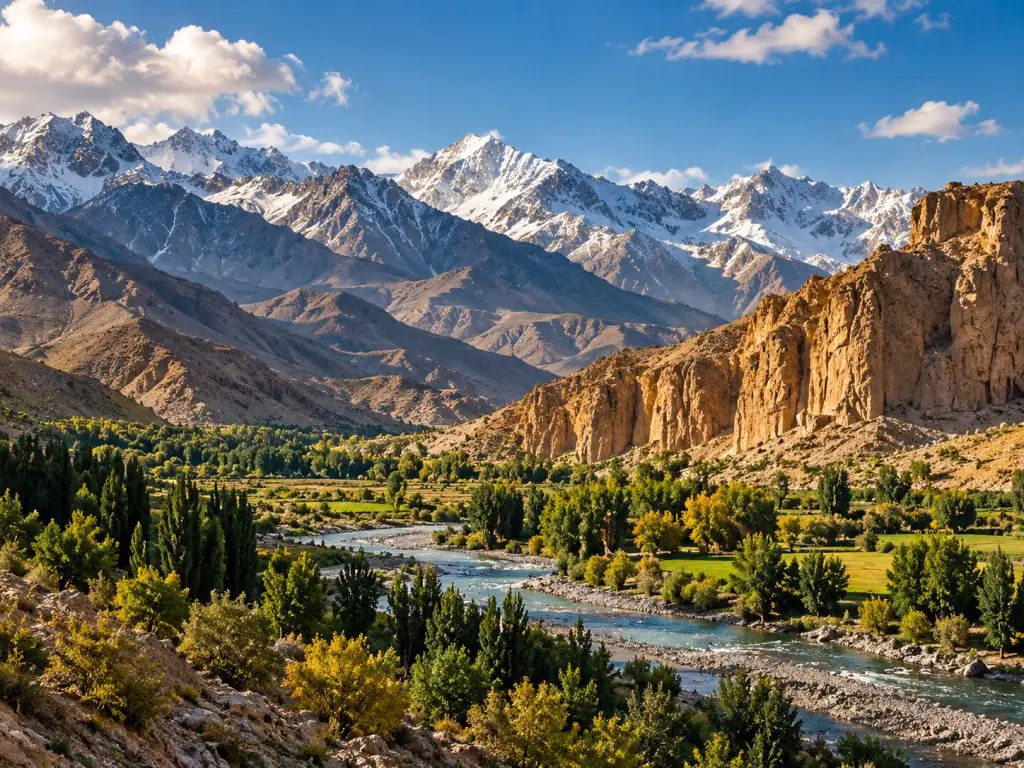
One country. Many landscapes.
Travel across Afghanistan's cities, valleys, mountains and historic places.
Boundaries: geoBoundaries (CC BY 4.0), Natural Earth.
Kabul
Eastern Afghanistan
The capital, set in a high valley ringed by mountains, with gardens, bazaars and layers of history.
- Type
- Capital city
- Elevation
- ≈1,790 m
- Known for
- Babur’s Garden
- River
- Kabul River
Herat
Western Afghanistan
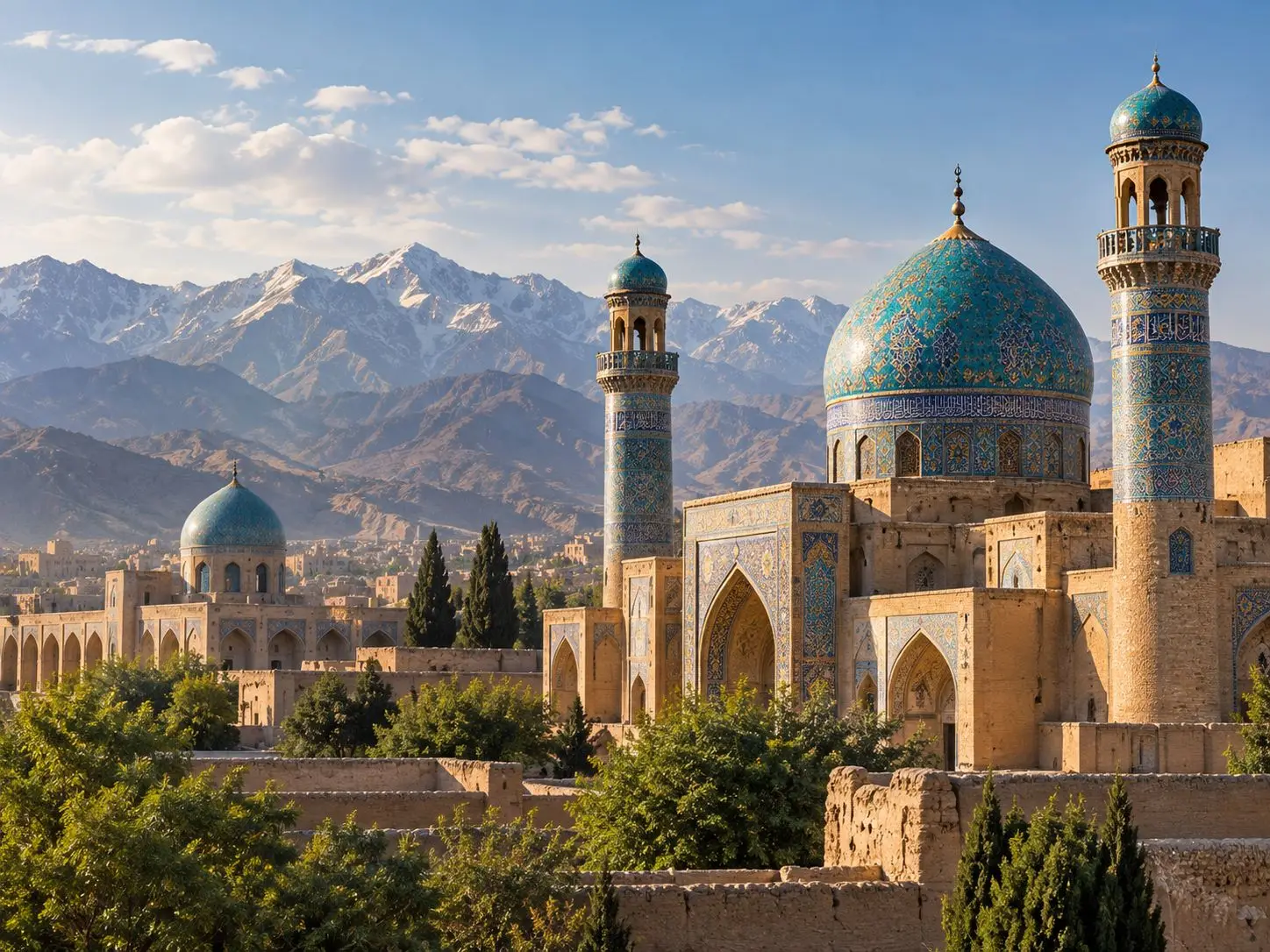
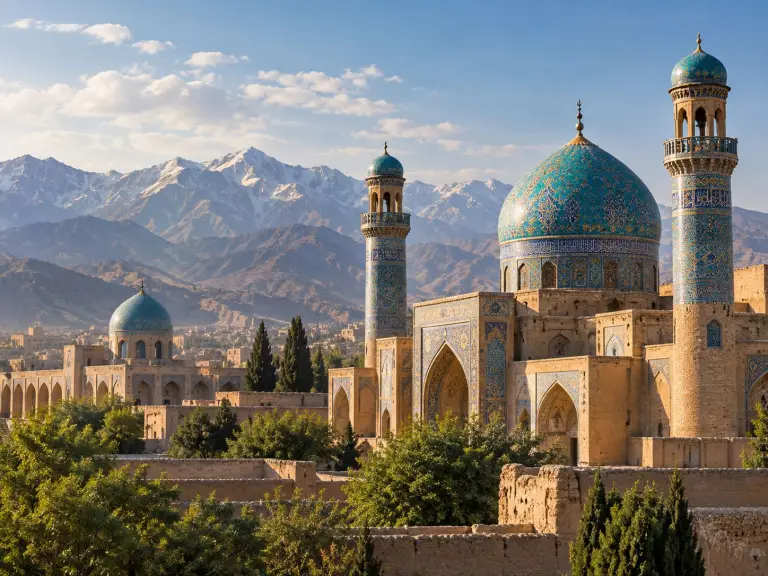
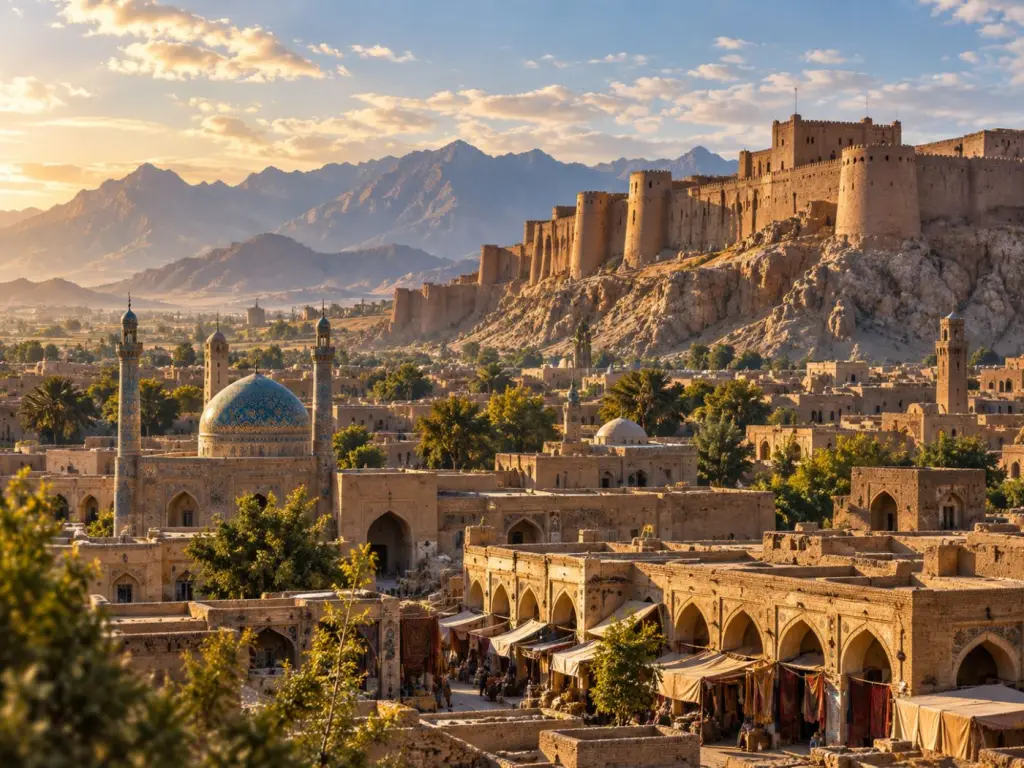
An old city of art and learning on the Hari River, famous for Timurid architecture and tilework.
- Type
- City · Heritage
- Elevation
- ≈920 m
- Known for
- Great Mosque
- River
- Hari River
Bamyan
Central Afghanistan
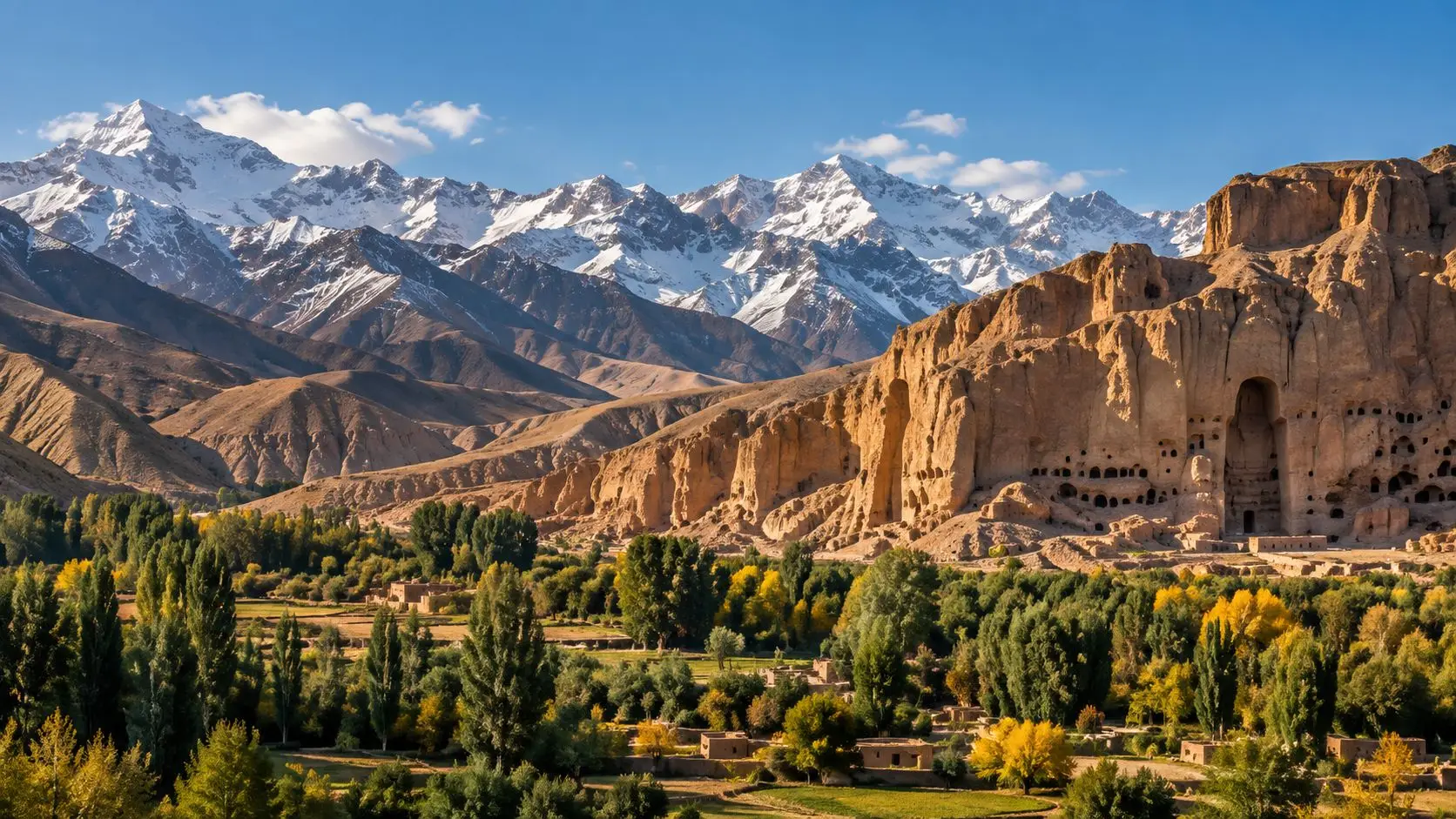
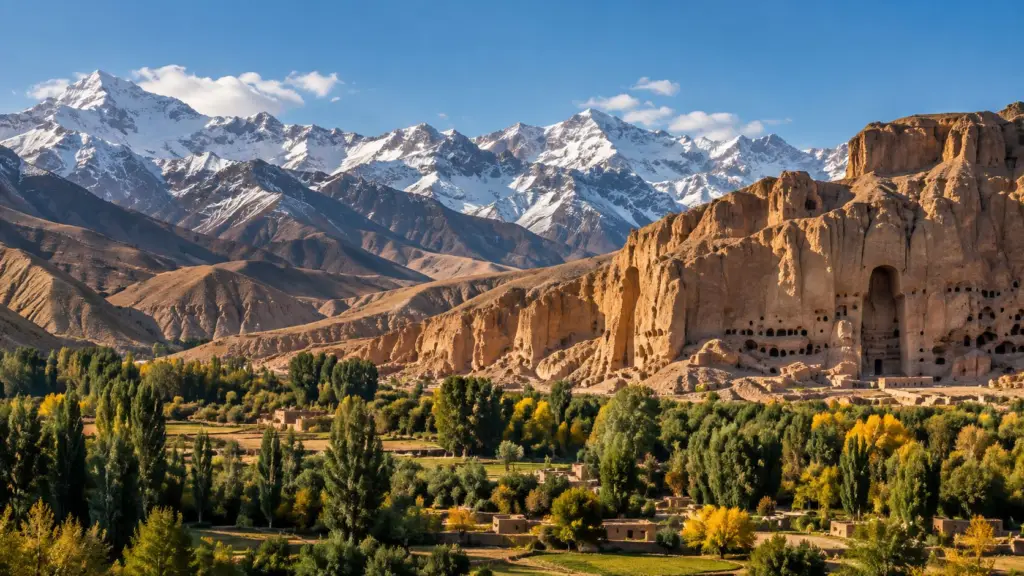
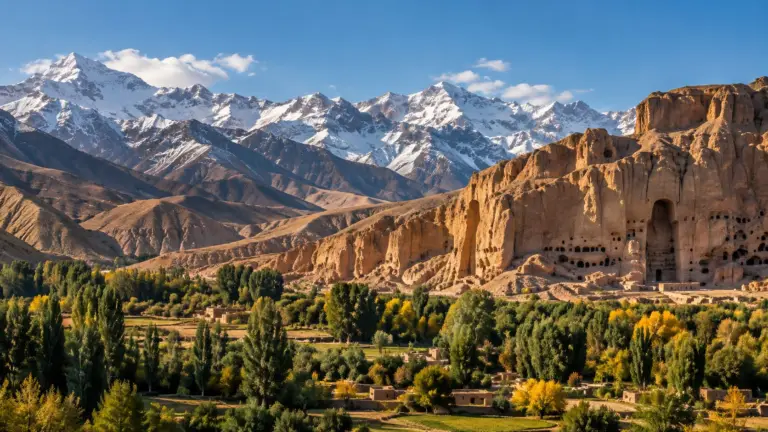
Dramatic mountains, ancient cliff sanctuaries and a rich cultural heritage in the heart of the Hindu Kush.
- Type
- Heritage · Landscape
- Elevation
- ≈2,550 m
- Known for
- Cliff niches
- Nearby
- Band-e Amir
Band-e Amir
Bamyan Province
A chain of deep-blue lakes held back by natural travertine dams — Afghanistan’s first national park.
- Type
- National park
- Elevation
- ≈2,900 m
- Lakes
- Six
- Established
- 2009
Mazar-e Sharif
Northern Afghanistan
The largest city of the north, centred on its blue-tiled shrine and home to the Nowruz festival.
- Type
- City
- Elevation
- ≈360 m
- Known for
- Blue Mosque
- Festival
- Nowruz
Balkh
Northern Afghanistan
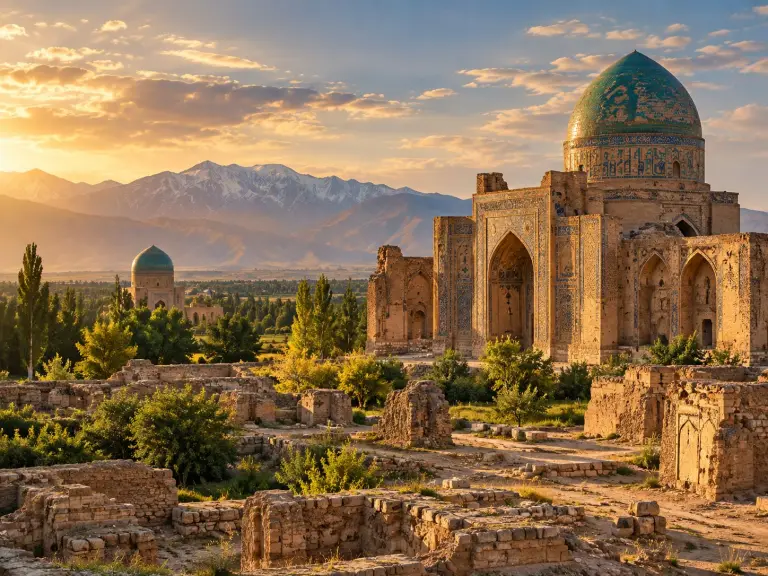
Called the “Mother of Cities”, Balkh was a centre of Bactria and later of Islamic scholarship.
- Type
- Heritage
- Era
- Bactrian →
- Known for
- Old city walls
- Poet
- Rumi’s birthplace
Kandahar
Southern Afghanistan
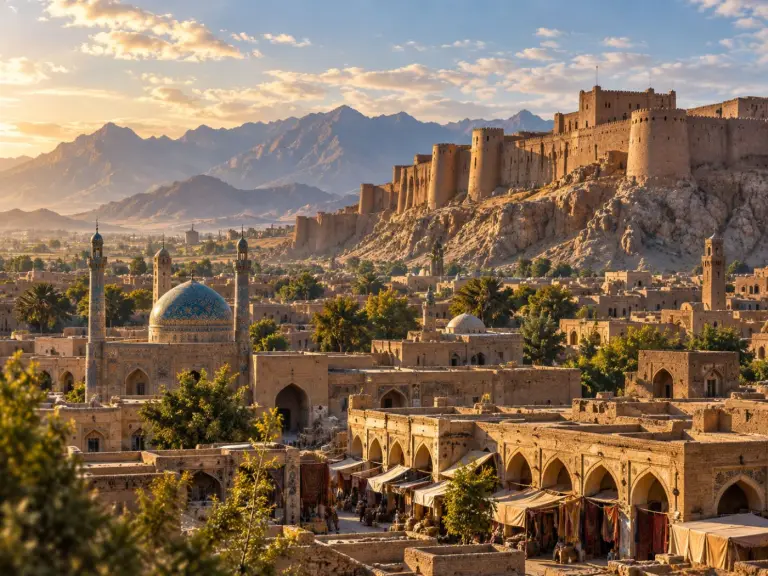
A historic trading city of the south, surrounded by orchards and famous for its pomegranates.
- Type
- City
- Elevation
- ≈1,010 m
- Known for
- Pomegranates
- River
- Arghandab
Jalalabad
Eastern Afghanistan
A warm, green city of citrus groves at the meeting of the Kabul and Kunar rivers.
- Type
- City
- Elevation
- ≈575 m
- Known for
- Orange blossom
- River
- Kabul River
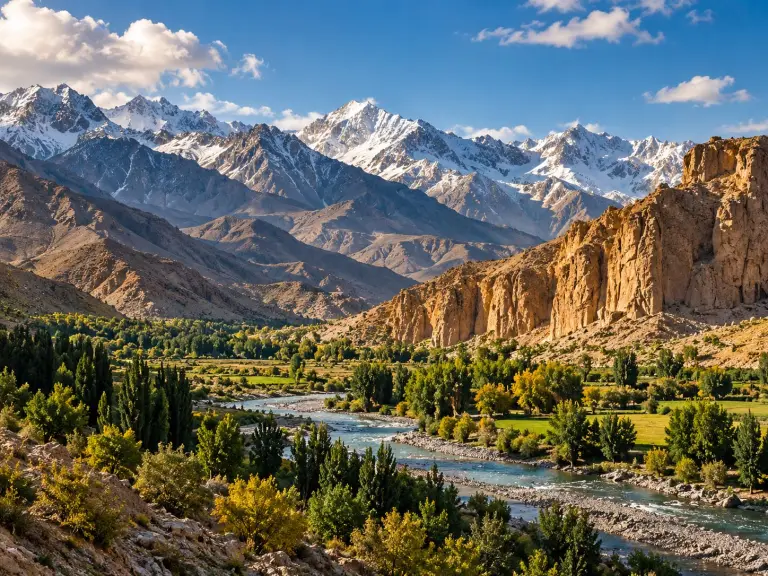
Wakhan Corridor
Badakhshan
A remote high valley reaching toward China, between the Pamir and Hindu Kush ranges.
- Type
- Landscape
- Length
- ≈350 km
- Known for
- Pamir herders
- Wildlife
- Marco Polo sheep
Minaret of Jam
Ghor Province
A 12th-century brick minaret rising 65 metres from a remote river gorge — a World Heritage site.
- Type
- Heritage
- Built
- 12th century
- Height
- ≈65 m
- Status
- UNESCO
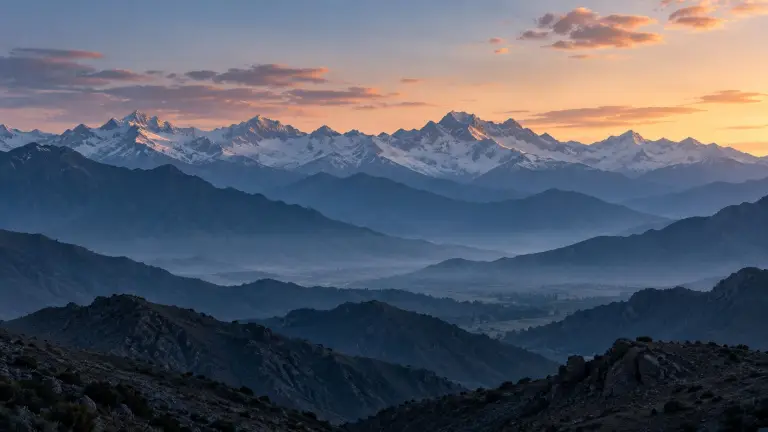
Panjshir
North-eastern Afghanistan
A narrow river valley walled by high peaks, known for its emerald mines and mountain villages.
- Type
- Valley
- Range
- Hindu Kush
- Known for
- Emeralds
- River
- Panjshir
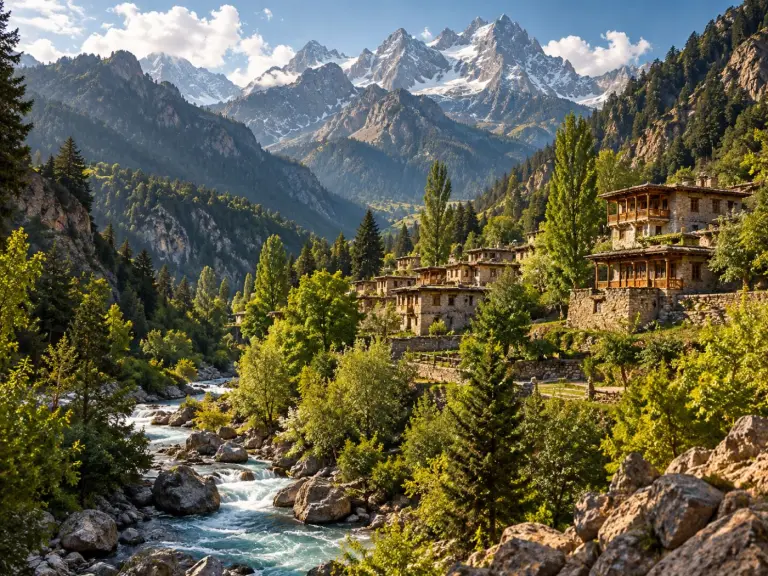
Nuristan
Eastern Afghanistan
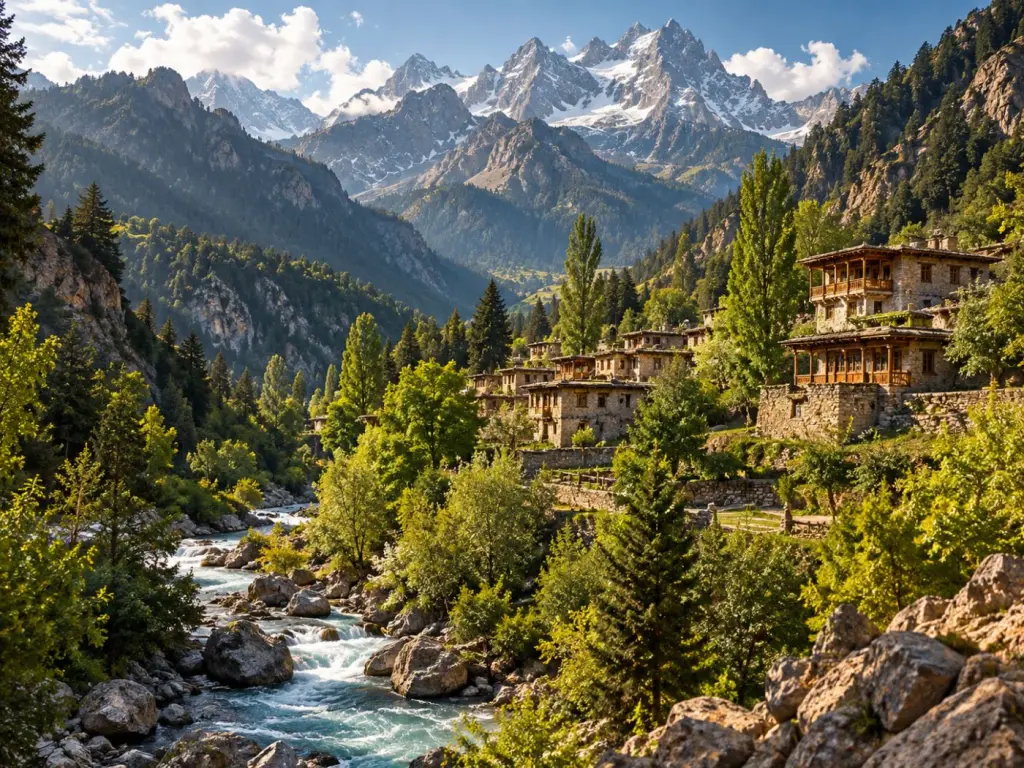
Forested mountains with distinctive wooden architecture and the Nuristani languages.
- Type
- Nature
- Landscape
- Forest
- Known for
- Wood carving
- Languages
- Nuristani
Faizabad
Badakhshan
Capital of Badakhshan on the Kokcha River, gateway to the Pamirs and to lapis lazuli country.
- Type
- City
- Elevation
- ≈1,200 m
- Known for
- Lapis lazuli
- River
- Kokcha
Badakhshan
North-eastern Afghanistan
Afghanistan's high north-east: the Kokcha valley, the Pamir and the Wakhan, home of lapis lazuli and of many mountain languages.
- Type
- Province
- Elevation
- ≈1,200 m (Fayzabad)
- Known for
- Lapis lazuli
- Range
- Hindu Kush and Pamir
Badghis
Western Afghanistan
Rolling hills and pistachio woodland north of Herat, between the Paropamisus range and the Morghab river, home of the Jamshidi and other Aymaq.
- Type
- Province
- Landscape
- Hills, pastures, pistachio woods
- Known for
- Pistachios, Aymaq carpets
- Heritage
- Shah-i Mashhad madrasa
Baghlan
North-eastern Afghanistan
Where the road from Kabul comes down off the Hindu Kush: river valleys, sugar-beet fields and the Kushan temple of Surkh Kotal.
- Type
- Province
- Heritage
- Surkh Kotal
- Known for
- Sugar beet
- River
- Kunduz (Surkhab) River
Daykundi
Central Afghanistan
A rugged Hazarajat province in Afghanistan's central highlands, cut through by the Helmand River and prized across the country for its almonds.
- Type
- Province
- River
- Helmand
- Known for
- Almonds
- Landscape
- ≈90% mountainous
Farah
South-western Afghanistan
Desert plains and rising mountains along the Farah Rud, with an ancient caravan town on the road to Sistan and wide pomegranate orchards.
- Type
- Province
- Elevation
- ≈730 m (Farah city)
- Known for
- Pomegranates
- River
- Farah Rud, Khash Rud
Faryab
Northern Afghanistan
A province of Uzbek and Turkmen market towns, from Maymana to the carpet-weaving oasis of Andkhoy, named after a lost medieval city.
- Type
- Province
- Range
- Band-e Turkestan
- Known for
- Andkhoy carpets, karakul
- Lowest point
- ≈257 m
Ghazni
South-eastern Afghanistan
A high plateau province south-west of Kabul, once the capital of the Ghaznavid sultans, with karez-fed orchards and natural lakes.
- Type
- Province
- Elevation
- ≈2,200 m (Ghazni city)
- Heritage
- Ghaznavid minarets and palace
- Lakes
- Ab-e Istada, Dasht-e Nawur
Ghor
Central Afghanistan
High mountain country at the western end of the Hindu Kush, cradle of the Ghurid sultans and home of the Minaret of Jam.
- Type
- Province
- Elevation
- ≈2,250 m (capital)
- Known for
- Minaret of Jam, Ghurids
- River
- Harirud
Helmand
South-western Afghanistan
A broad desert province threaded by the Helmand River, where irrigated fields surround the medieval ruins of Bost and the Ghaznavid palaces of Lashkari Bazar.
- Type
- Province
- River
- Helmand and Arghandab
- Known for
- Arch of Qala-e Bost
- Heritage
- Lashkari Bazar palaces
Jowzjan
Northern Afghanistan
A northern plain of Turkmen and Uzbek villages, the old Gowzgan of the Farighunid princes, where the Bactrian gold of Tillya Tepe was found.
- Type
- Province
- Heritage
- Tillya Tepe (Bactrian gold)
- Known for
- Turkmen carpets, natural gas
- Historic name
- Gowzgan
Kapisa
Central Afghanistan
Afghanistan's smallest province, a cluster of populous valleys north-east of Kabul that carries the name of an ancient kingdom.
- Type
- Province
- River
- Panjshir
- Known for
- Smallest Afghan province
- Heritage
- Ancient Kapisa kingdom
Khost
South-eastern Afghanistan
A low, warm valley in the far south-east, touched by monsoon rains and ringed by pine-covered ridges along the border.
- Type
- Province
- Elevation
- ≈1,225 m (Khost city)
- Known for
- Pine nuts, cricket
- Landscape
- Low valley, forested ridges
Kunar
Eastern Afghanistan
A narrow, forested river valley on the eastern border, where the glacier-fed Kunar River runs south from Chitral towards Jalalabad.
- Type
- Province
- River
- Kunar River
- Landscape
- Forested mountain valleys
- Known for
- Conifer forests, pine nuts
Kunduz
North-eastern Afghanistan
A low, fertile river plain on the Amu Darya, once part of ancient Bactria and later the heart of Afghanistan's cotton country.
- Type
- Province
- Elevation
- ≈351 m (Kunduz city)
- Known for
- Cotton and rice
- River
- Kunduz River
Laghman
Eastern Afghanistan
A green, well-watered valley province in eastern Afghanistan, where Aramaic inscriptions of Ashoka were found and the emperor Babur often stayed.
- Type
- Province
- River
- Alingar, Alishing
- Heritage
- Ashoka's Aramaic inscriptions
- Known for
- Rice, fruit, vegetables
Logar
South-eastern Afghanistan
A green river valley south of Kabul, home to the ancient copper-mining and Buddhist site of Mes Aynak and the Sufi shrines of Charkh.
- Type
- Province
- River
- Logar River
- Heritage
- Mes Aynak
- Known for
- Sufi shrines of Charkh
Nangarhar
Eastern Afghanistan
A warm river plain below the Spin Ghar, home to Jalalabad, the Buddhist site of Hadda and well-known orange groves.
- Type
- Province
- Elevation
- ≈575 m (Jalalabad)
- Known for
- Hadda, oranges, Mughal gardens
- River
- Kabul and Kunar
Nimruz
South-western Afghanistan
Afghanistan's corner of Sistan: flat desert and the Hamun wetlands at the end of the Helmand River, with the ruins of medieval Zarang near Zaranj.
- Type
- Province
- Lakes
- Hamun-e Puzak, Gowd-e Zereh
- Known for
- Hamun wetlands
- Heritage
- Nad-e Ali (old Zarang)
Paktia
South-eastern Afghanistan
High basins and pine-clad ridges around Gardez, a town with roots in the Ghaznavid age and home to a famous Ganesha image.
- Type
- Province
- Elevation
- ≈2,300 m (Gardez)
- Landscape
- Forested ridges, high basins
- Heritage
- Historic town of Gardez
Paktika
South-eastern Afghanistan
A wide, hilly border province of plains, pine-and-cedar woods and the headwaters of the Gomal River, with Sharana as its capital.
- Type
- Province
- River
- Gomal
- Known for
- Chilgoza pine nuts
- Range
- Toba Kakar
Parwan
Central Afghanistan
A mountain gateway north of Kabul, where the Ghorband and Panjshir rivers meet near ancient Begram and vineyards surround Charikar.
- Type
- Province
- Elevation
- ≈1,600 m (Charikar)
- Known for
- Grapes and pottery
- Heritage
- Begram (ancient Kapisa)
Samangan
Northern Afghanistan
Hill country between Balkh and the Hindu Kush, home to the rock-cut stupa of Takht-e Rostam and to the Samangan of Shahnameh legend.
- Type
- Province
- Heritage
- Takht-e Rostam
- Known for
- Ancient cave sites
- River
- Khulm River
Sar-e Pol
Northern Afghanistan
Mountain valleys and river oases south of Sheberghan, whose capital probably stands on the site of Anbar, a medieval princely seat.
- Type
- Province
- Elevation
- ≈610 m (capital)
- Known for
- Medieval Anbar
- River
- Ab-e Safid, Balkhab
Takhar
North-eastern Afghanistan
Between Kunduz and Badakhshan: fertile river plains, salt hills praised by Marco Polo, and the Greek city of Ai-Khanoum on the Amu Darya.
- Type
- Province
- Heritage
- Ai-Khanoum
- Known for
- Rock salt
- River
- Kokcha, Takhar River
Uruzgan
Southern Afghanistan
A mountainous province of river valleys draining into the Helmand, known for its almonds, apricots and cumin, with Tarinkot as its capital.
- Type
- Province
- Elevation
- ≈1,320 m (Tarinkot)
- Known for
- Almonds, dried apricots
- River
- Helmand, Teri Rud
Wardak
Central Afghanistan
A high, mountainous province just west of Kabul, where the Kabul River rises and Hazara highland valleys meet Pashtun farmland.
- Type
- Province
- Range
- Koh-e Baba, Paghman
- River
- Source of Kabul River
- Heritage
- The Wardak Vase
Zabul
Southern Afghanistan
Highland valleys along the Tarnak and Arghandab rivers, the old fortress town of Qalat, and orchards once famous for almonds and dried apricots.
- Type
- Province
- Heritage
- Qalat fortress
- Known for
- Almonds, dried apricots
- River
- Tarnak, Arghandab
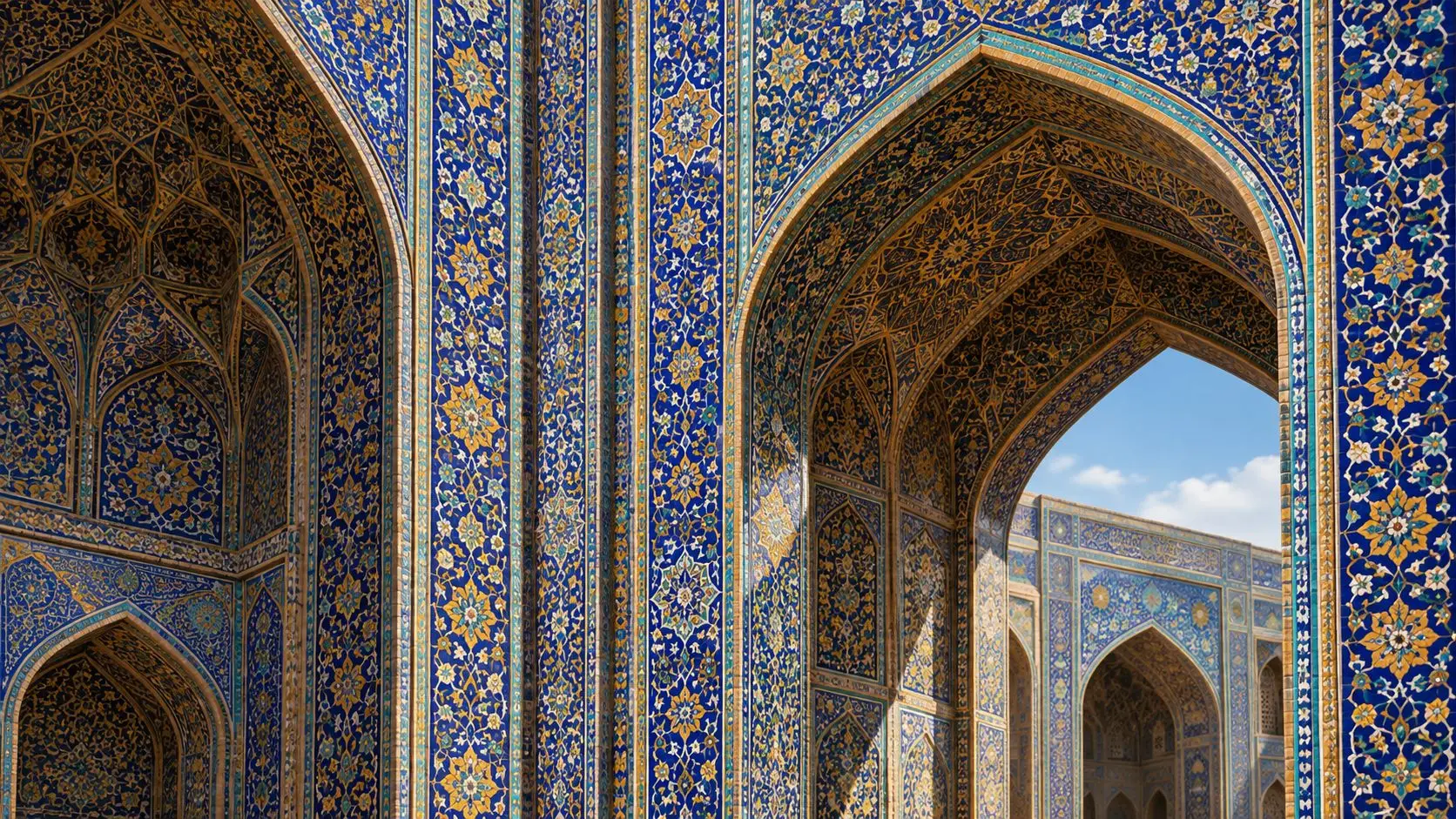
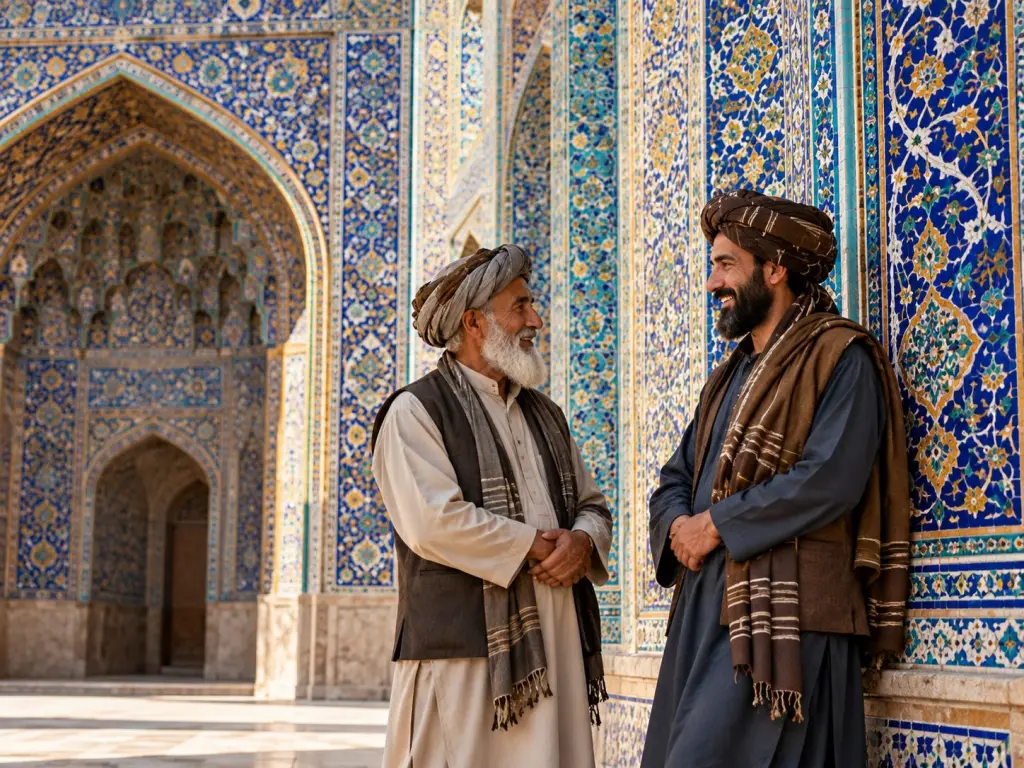
FEATURED STORY · HERITAGE
The Blue Tiles of Herat
Architecture, geometry and centuries of craftsmanship.
Herat · Western Afghanistan
HISTORY
Thousands of years of history
From ancient civilizations to the modern era, explore the key moments that shaped Afghanistan.
Explore the full timeline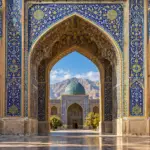
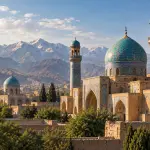
c. 5000–2000 BCE
Early settlements
Farming villages and Bronze Age towns such as Mundigak near Kandahar trace the region’s earliest settled life, with trade links reaching Iran, Central Asia and the Indus valley.
Kandahar region
Related: Mundigak and the first townsc. 550–330 BCE
Achaemenid Empire
Bactria, Aria and Arachosia, around Balkh, Herat and Kandahar, become provinces of the Persian Achaemenid empire, linked by royal roads and paying tribute in silver, gold and ivory.
Balkh · Herat · Kandahar
Related: Bactria in the ancient worldc. 250–125 BCE
Greco-Bactrian
After Alexander, Greek settlers in Bactria found an independent kingdom; at Ai-Khanoum on the Amu Darya a Greek theatre and gymnasium stand beside palaces and temples shaped by Central Asian and Iranian traditions.
Ai-Khanoum · Takhar
Related: The city at the Oxus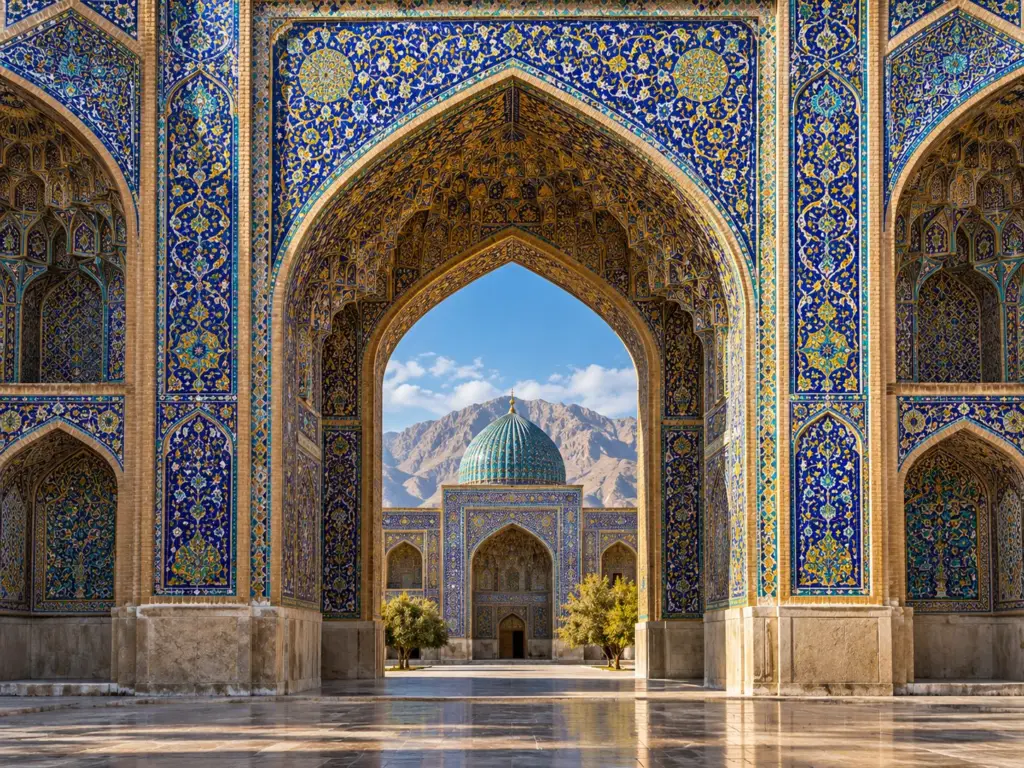
7th–13th century
Islamic periods
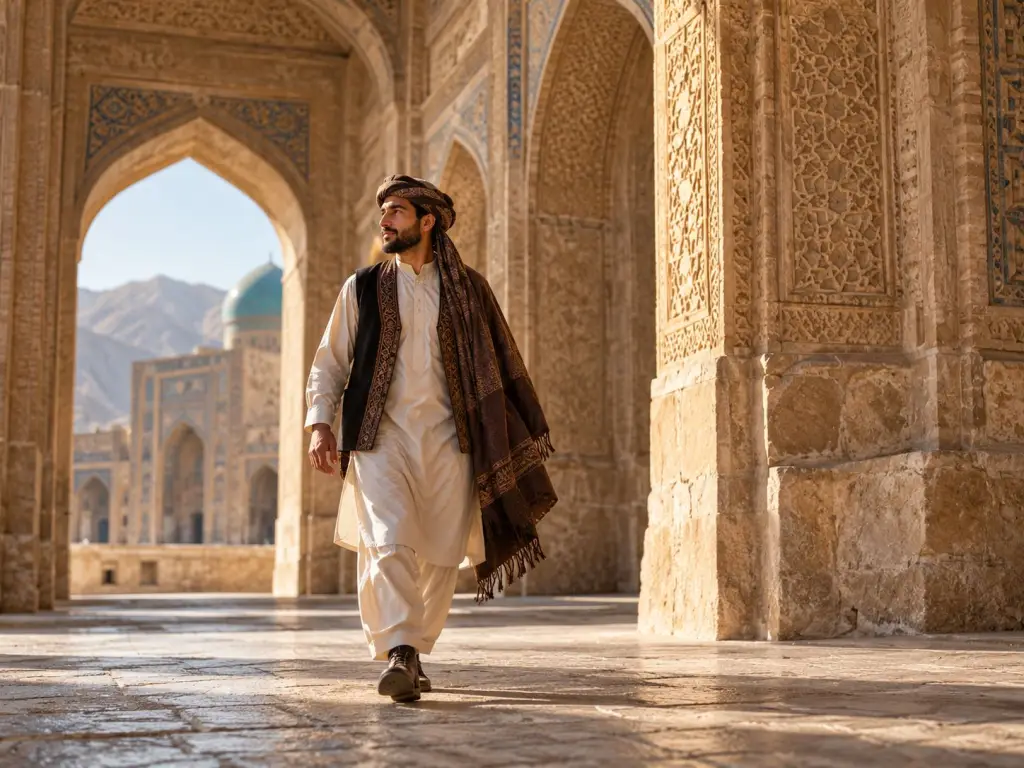
Islam reaches the region from the 7th century; Ghaznavid and Ghurid sultans build courts of Persian learning, and the Ghurid Minaret of Jam rises in a remote valley of Ghor.
Ghazni · Ghor
Related: The Ghurid builders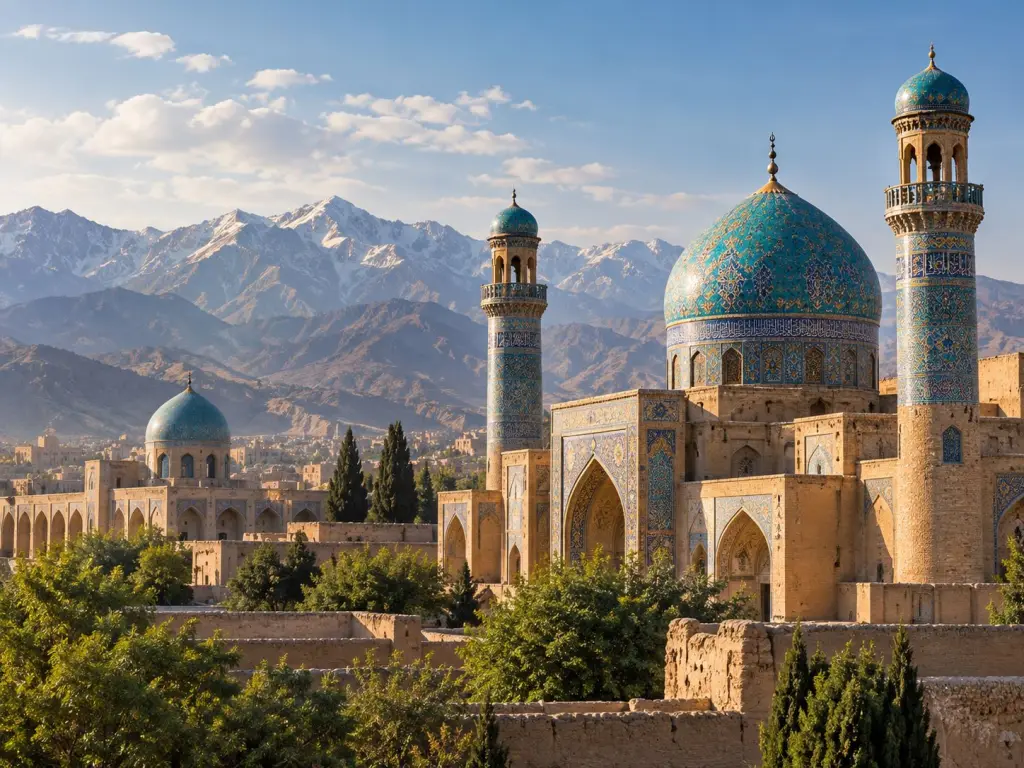
14th–15th century
Timurid era
Under Shah Rukh and Gawhar Shad, and later Husayn Bayqara, Herat becomes the Timurid capital and a centre of painting, calligraphy, poetry and tiled architecture.
Herat
Related: The Blue Tiles of Herat18th century–present
Modern era
From the Durrani state founded in 1747, with Kandahar and then Kabul as capitals, a modern nation took shape: a court of Persian letters, new schools, press and university, and Pashto and Dari as official languages.
Kandahar · Kabul
Related: Kabul across three centuries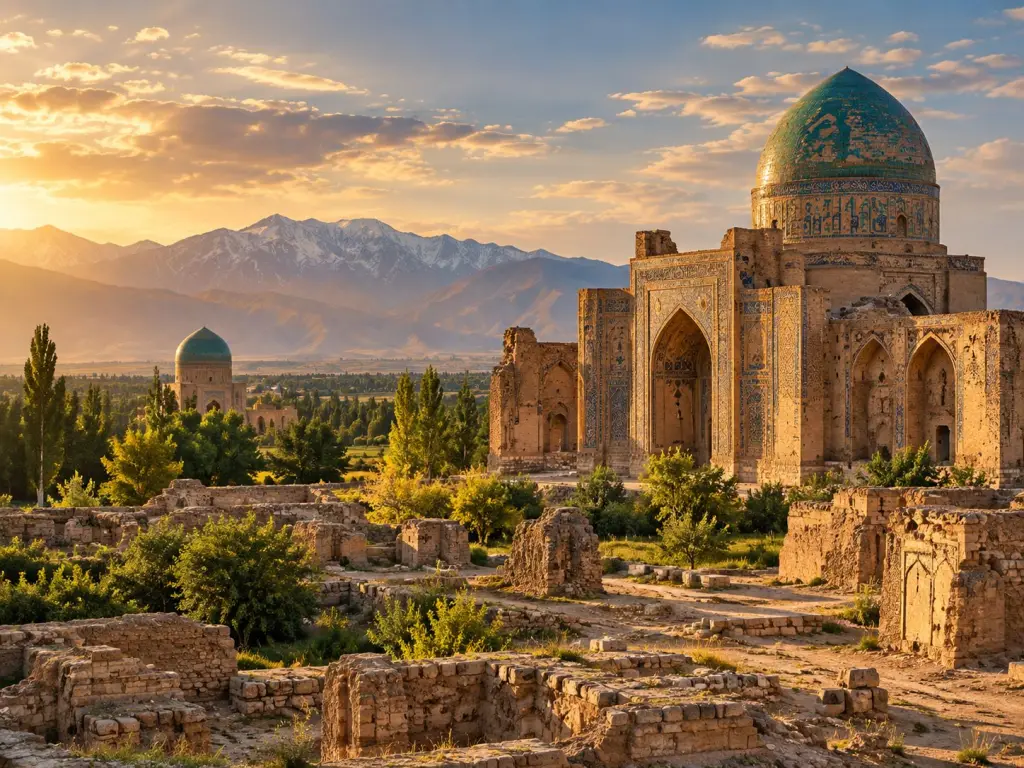
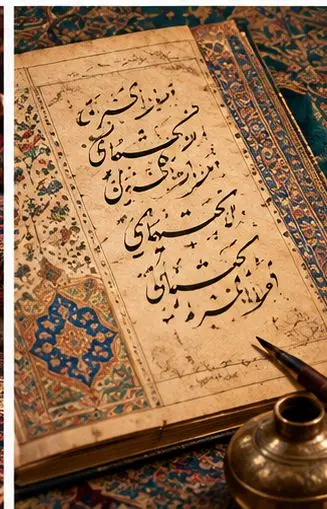
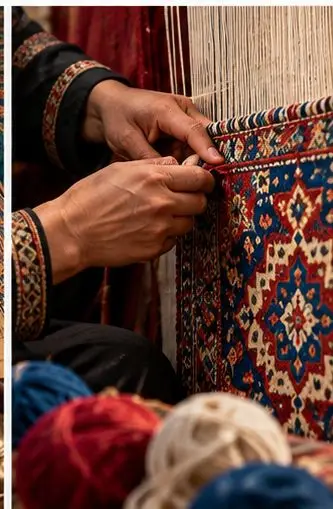
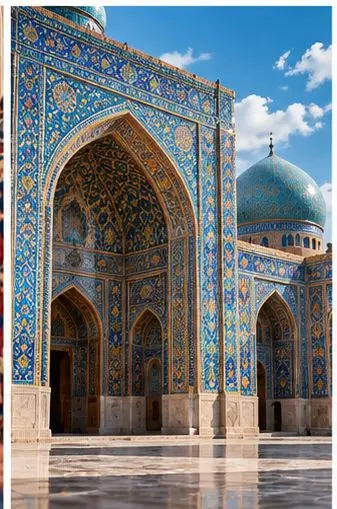
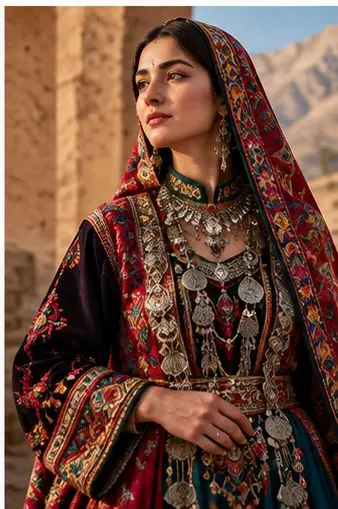
Culture lives in the details.
From poetry and music to architecture, cuisine and craftsmanship — the traditions that connect generations.
TASTE AFGHANISTAN
A rich culinary heritage
From fragrant rice dishes to savoury dumplings, explore the flavours of Afghanistan.
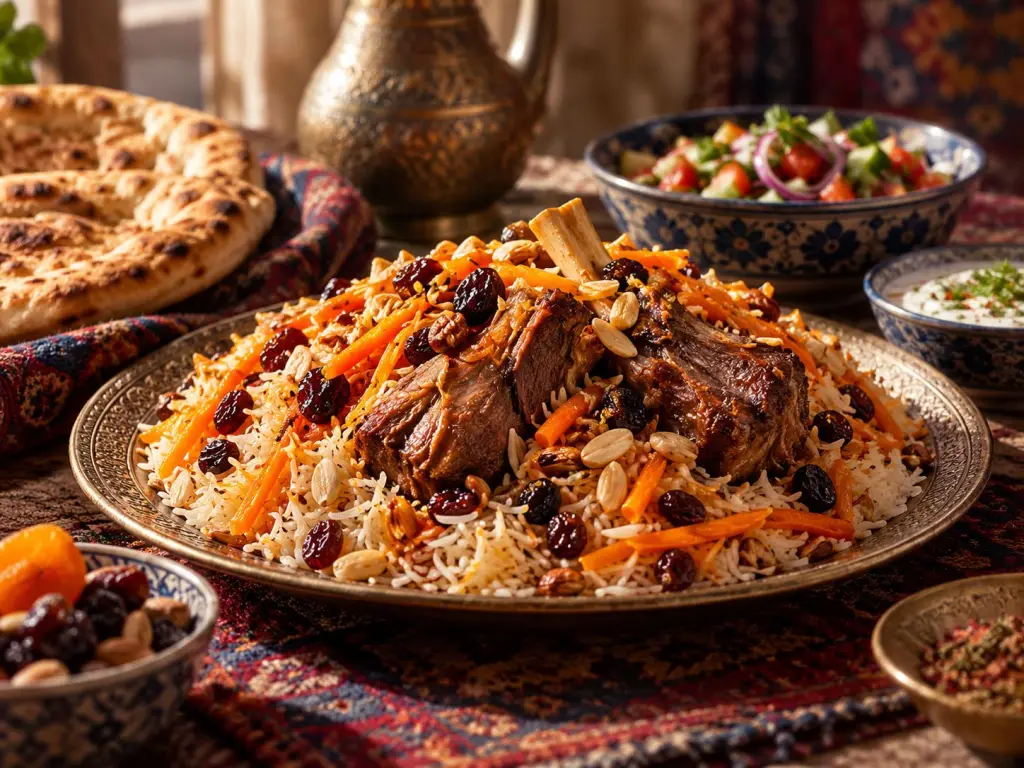
Explore Afghan cuisine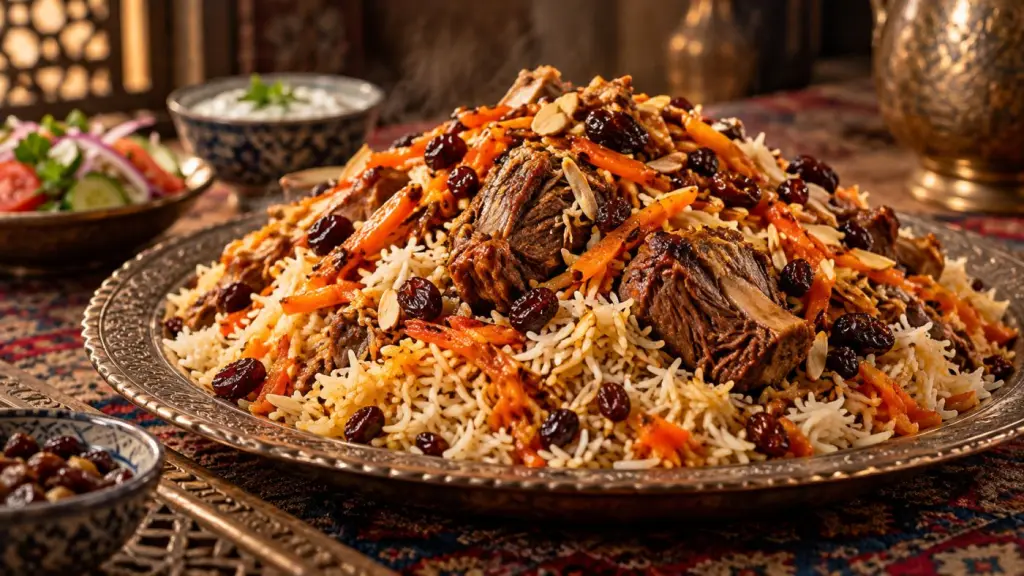 Kabuli Pulao
A beloved national dish of rice, lamb, carrots and raisins.
-
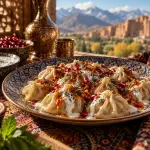 Mantu
Steamed dumplings with yoghurt and lentil sauce
-
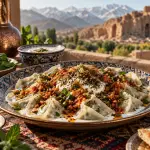 Ashak
Leek dumplings with minted yoghurt
-
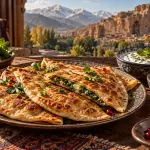 Bolani
Thin flatbread filled with potato or leek
-
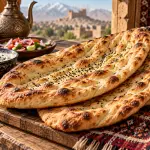 Naan
Tandoor bread at the centre of every table
-
 Firni
Cardamom milk pudding with pistachio
-
 Sheer yakh
Rosewater and pistachio ice cream
- Doogh Salted yoghurt drink with dried mint
- Qahwa Green tea with cardamom
- Chapli kebab Flat spiced patties from the east
- Qorma-e sabzi Slow-cooked spinach and herb stew
Voices across centuries
Poets, painters, patrons and singers whose work still shapes Afghan culture.
See more peopleJalal al-Din Muhammad Balkhi, known as Mawlana or Rumi, was born in the Balkh region in 1207 and carried its Persian literary world west to Konya, where his Masnavi, some 26,000 verses of mystical teaching, became a classic read across the world.
Rabia Balkhi, daughter of Kab, a ruler of 10th-century Balkh, is the first woman known to have written poetry in New Persian. Her few surviving verses and the legend of her tragic love have made her a lasting symbol of courage and of a woman’s voice.
Kamal al-Din Behzad, master painter of Timurid Herat under Sultan Husayn Bayqara, brought balanced compositions, clear space and expressive figures to Persian manuscript painting, and his name became a byword for artistic mastery from Herat to Tabriz.
Gawhar Shad, wife of the Timurid ruler Shah Rukh, was an exceptionally powerful queen and a major patron of architecture. She built the mosque and madrasa of Herat’s Musalla complex, whose tiled mausoleum and minarets still rise over the city.
Abdul Rahman Mohmand, known as Rahman Baba, was a Sufi poet who lived near Peshawar in the late 17th and early 18th centuries. His single diwan of Pashto verse on love, humility and devotion is recited across Pashto-speaking communities to this day.
Often called the Elvis of Afghanistan, Ahmad Zahir blended Afghan melodies and instruments with Western pop, rock and jazz and set classical and modern Persian poetry to new sound, becoming a national star in the 1960s and 1970s.
AFGHANISTAN A–Z
People, places, foods, traditions and more.
From mud-brick fortresses to tiled mosques, building traditions shaped by climate and craft.
A high valley of cliffs, caves and farmland in the central highlands.
Hand-knotted rugs whose patterns vary by region and weaving community.
One of Afghanistan’s two official languages, the Afghan variety of Persian.
Festivals of family visits, new clothes and shared meals.
A delicate milk pudding scented with cardamom and rosewater.
Seat of the Ghaznavid court and its two famous minarets.
City of tilework, miniature painting and Timurid architecture.
A hillside town known for its turquoise-glazed pottery.
A 12th-century minaret standing alone in a river gorge.
The capital, in a valley ringed by mountains.
Deep-blue stone mined in Badakhshan for thousands of years.
Steamed dumplings topped with yoghurt and lentil sauce.
The spring new year, celebrated on the equinox.
The Amu Darya, the river along Afghanistan’s northern border.
One of Afghanistan’s two official languages.
A walled mud-brick compound, often with corner towers, that houses an extended family in rural Afghanistan.
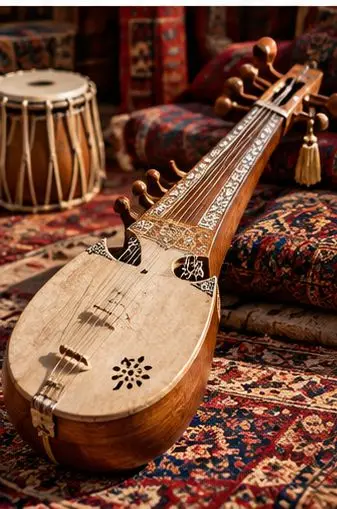
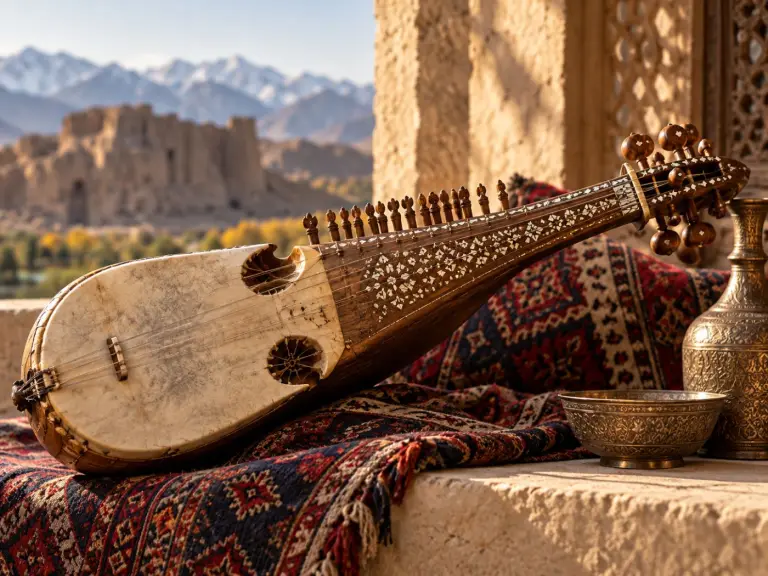
A short-necked lute, often called the lion of instruments.
A prized spice grown in the fields around Herat.
Glazed mosaic patterns covering mosques and shrines.
Honorific for a master musician, craftsman or teacher, and the master in the ustad–shagird apprenticeship tradition.
Sanskrit word for a Buddhist monastery; many flourished in ancient Afghanistan, from Hadda to Bamiyan.
A remote corridor between the Pamir and Hindu Kush.
Chinese Buddhist monk (602–664) whose 7th-century travel record describes Balkh, Bamiyan and Hadda.
The longest night of the year, kept on the eve of winter with family, red fruit and poetry.
Prophet of ancient Iran and founder of Zoroastrianism; a long tradition places his mission at Balkh.
VIDEO
Watch Afghanistan
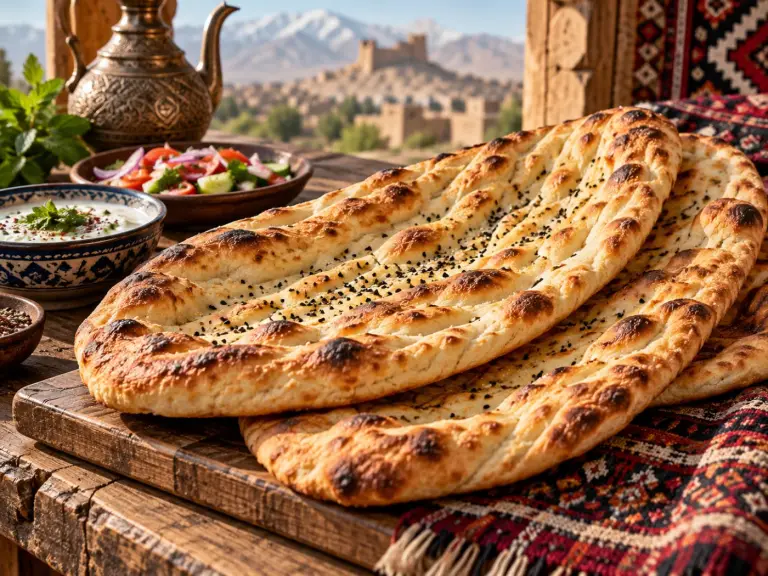
Discover another Afghanistan.
A monthly selection of stories, places, history and culture.
Almost there: please open the email we just sent you and confirm your address.