Kabul
Eastern Afghanistan
The capital, set in a high valley ringed by mountains, with gardens, bazaars and layers of history.
- Type
- Capital city
- Elevation
- ≈1,790 m
- Known for
- Babur’s Garden
- River
- Kabul River
PLACES
Cities, valleys, mountains and heritage across Afghanistan — explore them on the map or browse them all below.
INTERACTIVE MAP
Travel across Afghanistan's cities, valleys, mountains and historic places.
Boundaries: geoBoundaries (CC BY 4.0), Natural Earth.
Eastern Afghanistan
The capital, set in a high valley ringed by mountains, with gardens, bazaars and layers of history.
Western Afghanistan
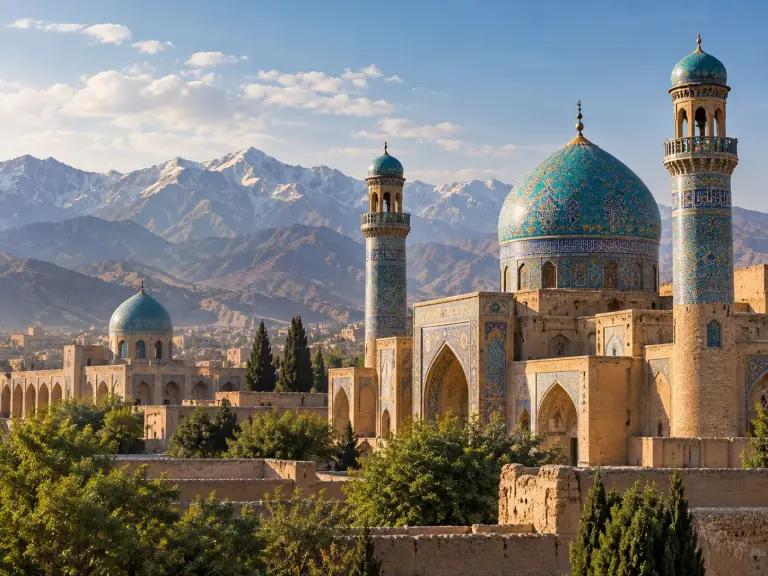
An old city of art and learning on the Hari River, famous for Timurid architecture and tilework.
Central Afghanistan
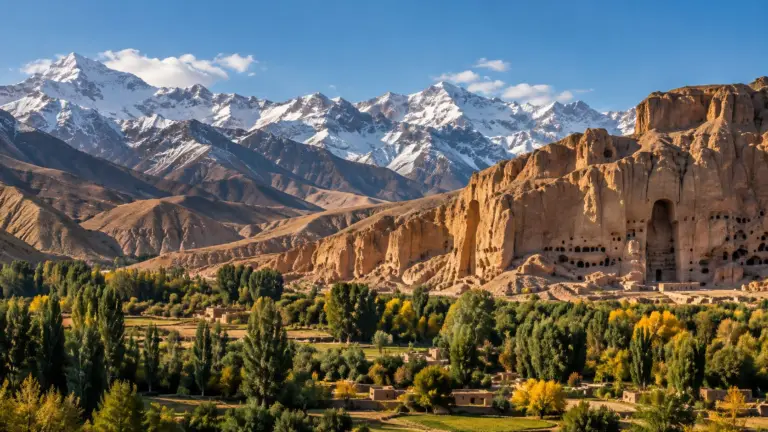
Dramatic mountains, ancient cliff sanctuaries and a rich cultural heritage in the heart of the Hindu Kush.
Bamyan Province
A chain of deep-blue lakes held back by natural travertine dams — Afghanistan’s first national park.
Northern Afghanistan
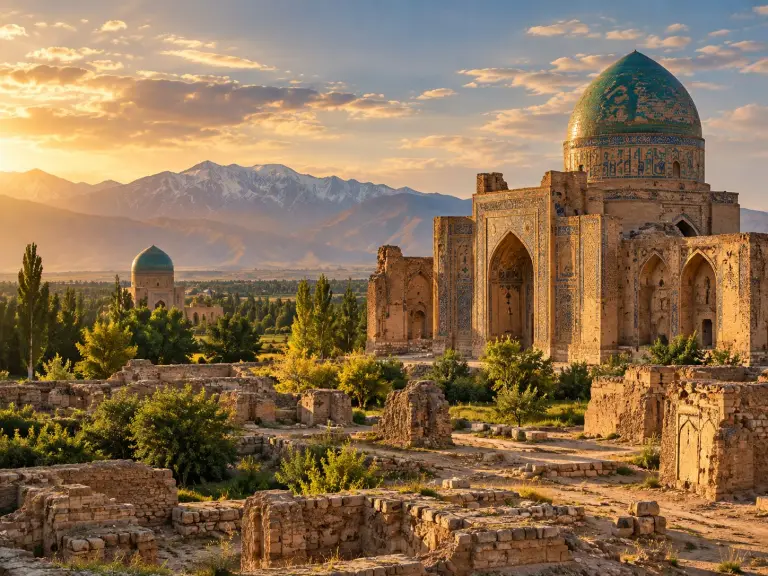
The largest city of the north, centred on its blue-tiled shrine and home to the Nowruz festival.
Northern Afghanistan
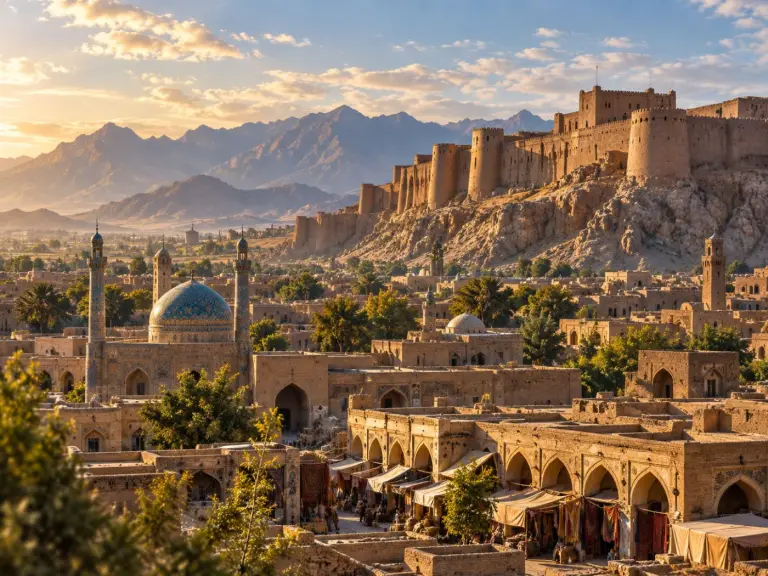
Called the “Mother of Cities”, Balkh was a centre of Bactria and later of Islamic scholarship.
Southern Afghanistan
A historic trading city of the south, surrounded by orchards and famous for its pomegranates.
Eastern Afghanistan
A warm, green city of citrus groves at the meeting of the Kabul and Kunar rivers.
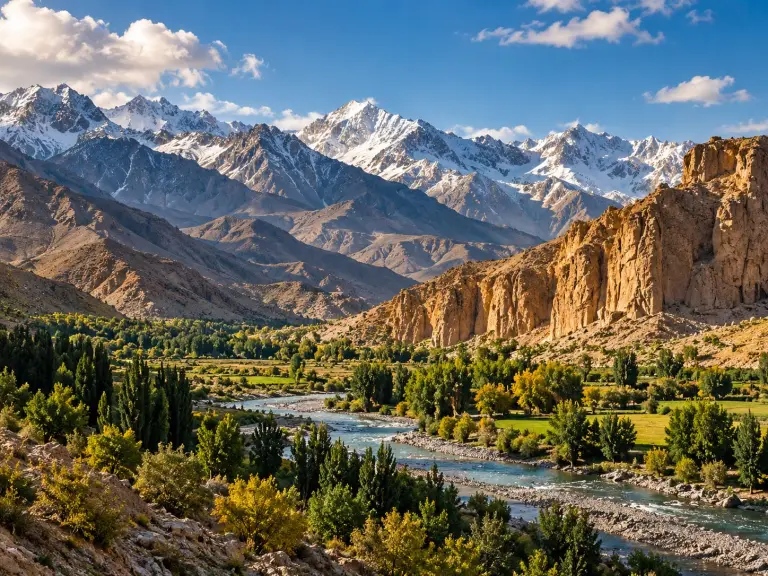
Badakhshan
A remote high valley reaching toward China, between the Pamir and Hindu Kush ranges.
Ghor Province
A 12th-century brick minaret rising 65 metres from a remote river gorge — a World Heritage site.
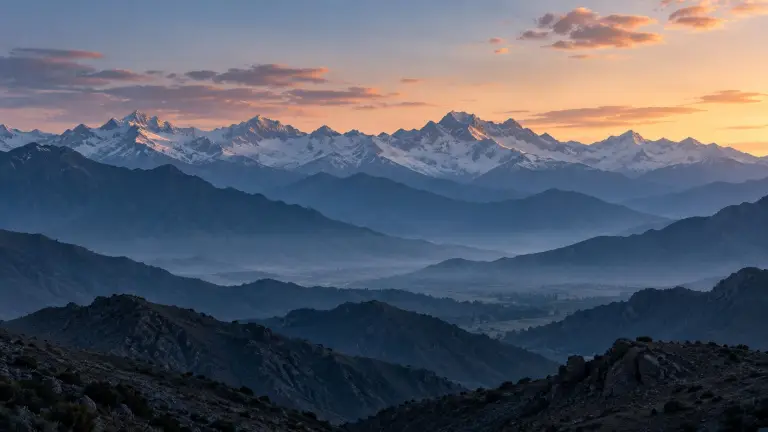
North-eastern Afghanistan
A narrow river valley walled by high peaks, known for its emerald mines and mountain villages.
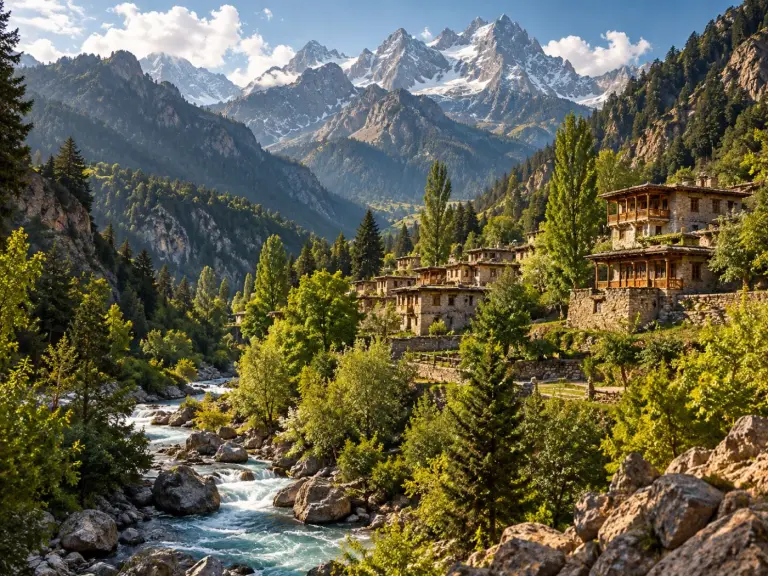
Eastern Afghanistan
Forested mountains with distinctive wooden architecture and the Nuristani languages.
Badakhshan
Capital of Badakhshan on the Kokcha River, gateway to the Pamirs and to lapis lazuli country.
North-eastern Afghanistan
Afghanistan's high north-east: the Kokcha valley, the Pamir and the Wakhan, home of lapis lazuli and of many mountain languages.
Western Afghanistan
Rolling hills and pistachio woodland north of Herat, between the Paropamisus range and the Morghab river, home of the Jamshidi and other Aymaq.
North-eastern Afghanistan
Where the road from Kabul comes down off the Hindu Kush: river valleys, sugar-beet fields and the Kushan temple of Surkh Kotal.
Central Afghanistan
A rugged Hazarajat province in Afghanistan's central highlands, cut through by the Helmand River and prized across the country for its almonds.
South-western Afghanistan
Desert plains and rising mountains along the Farah Rud, with an ancient caravan town on the road to Sistan and wide pomegranate orchards.
Northern Afghanistan
A province of Uzbek and Turkmen market towns, from Maymana to the carpet-weaving oasis of Andkhoy, named after a lost medieval city.
South-eastern Afghanistan
A high plateau province south-west of Kabul, once the capital of the Ghaznavid sultans, with karez-fed orchards and natural lakes.
Central Afghanistan
High mountain country at the western end of the Hindu Kush, cradle of the Ghurid sultans and home of the Minaret of Jam.
South-western Afghanistan
A broad desert province threaded by the Helmand River, where irrigated fields surround the medieval ruins of Bost and the Ghaznavid palaces of Lashkari Bazar.
Northern Afghanistan
A northern plain of Turkmen and Uzbek villages, the old Gowzgan of the Farighunid princes, where the Bactrian gold of Tillya Tepe was found.
Central Afghanistan
Afghanistan's smallest province, a cluster of populous valleys north-east of Kabul that carries the name of an ancient kingdom.
South-eastern Afghanistan
A low, warm valley in the far south-east, touched by monsoon rains and ringed by pine-covered ridges along the border.
Eastern Afghanistan
A narrow, forested river valley on the eastern border, where the glacier-fed Kunar River runs south from Chitral towards Jalalabad.
North-eastern Afghanistan
A low, fertile river plain on the Amu Darya, once part of ancient Bactria and later the heart of Afghanistan's cotton country.
Eastern Afghanistan
A green, well-watered valley province in eastern Afghanistan, where Aramaic inscriptions of Ashoka were found and the emperor Babur often stayed.
South-eastern Afghanistan
A green river valley south of Kabul, home to the ancient copper-mining and Buddhist site of Mes Aynak and the Sufi shrines of Charkh.
Eastern Afghanistan
A warm river plain below the Spin Ghar, home to Jalalabad, the Buddhist site of Hadda and well-known orange groves.
South-western Afghanistan
Afghanistan's corner of Sistan: flat desert and the Hamun wetlands at the end of the Helmand River, with the ruins of medieval Zarang near Zaranj.
South-eastern Afghanistan
High basins and pine-clad ridges around Gardez, a town with roots in the Ghaznavid age and home to a famous Ganesha image.
South-eastern Afghanistan
A wide, hilly border province of plains, pine-and-cedar woods and the headwaters of the Gomal River, with Sharana as its capital.
Central Afghanistan
A mountain gateway north of Kabul, where the Ghorband and Panjshir rivers meet near ancient Begram and vineyards surround Charikar.
Northern Afghanistan
Hill country between Balkh and the Hindu Kush, home to the rock-cut stupa of Takht-e Rostam and to the Samangan of Shahnameh legend.
Northern Afghanistan
Mountain valleys and river oases south of Sheberghan, whose capital probably stands on the site of Anbar, a medieval princely seat.
North-eastern Afghanistan
Between Kunduz and Badakhshan: fertile river plains, salt hills praised by Marco Polo, and the Greek city of Ai-Khanoum on the Amu Darya.
Southern Afghanistan
A mountainous province of river valleys draining into the Helmand, known for its almonds, apricots and cumin, with Tarinkot as its capital.
Central Afghanistan
A high, mountainous province just west of Kabul, where the Kabul River rises and Hazara highland valleys meet Pashtun farmland.
Southern Afghanistan
Highland valleys along the Tarnak and Arghandab rivers, the old fortress town of Qalat, and orchards once famous for almonds and dried apricots.
A chain of deep-blue lakes held back by natural travertine dams — Afghanistan’s first national park.
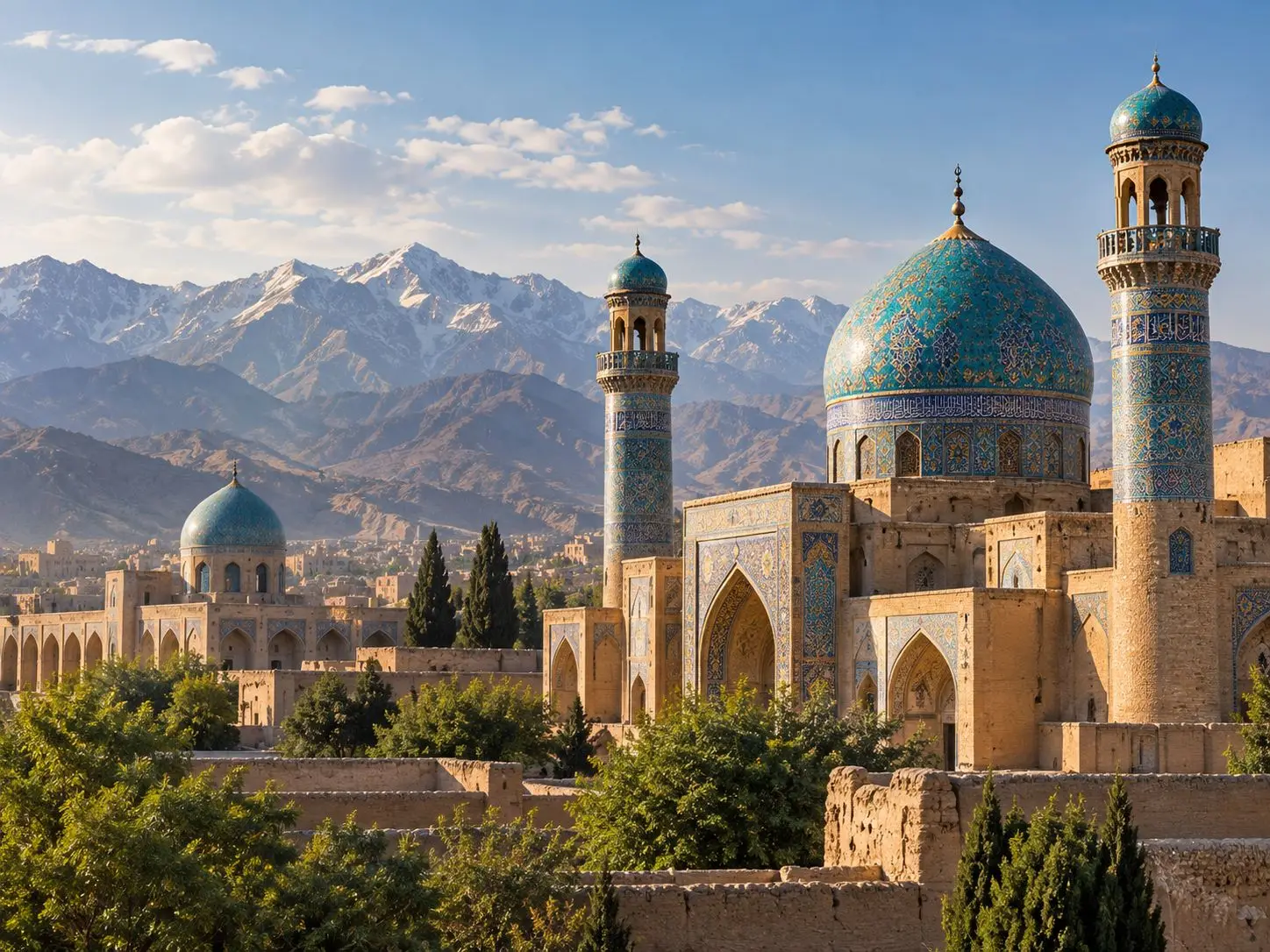
An old city of art and learning on the Hari River, famous for Timurid architecture and tilework.
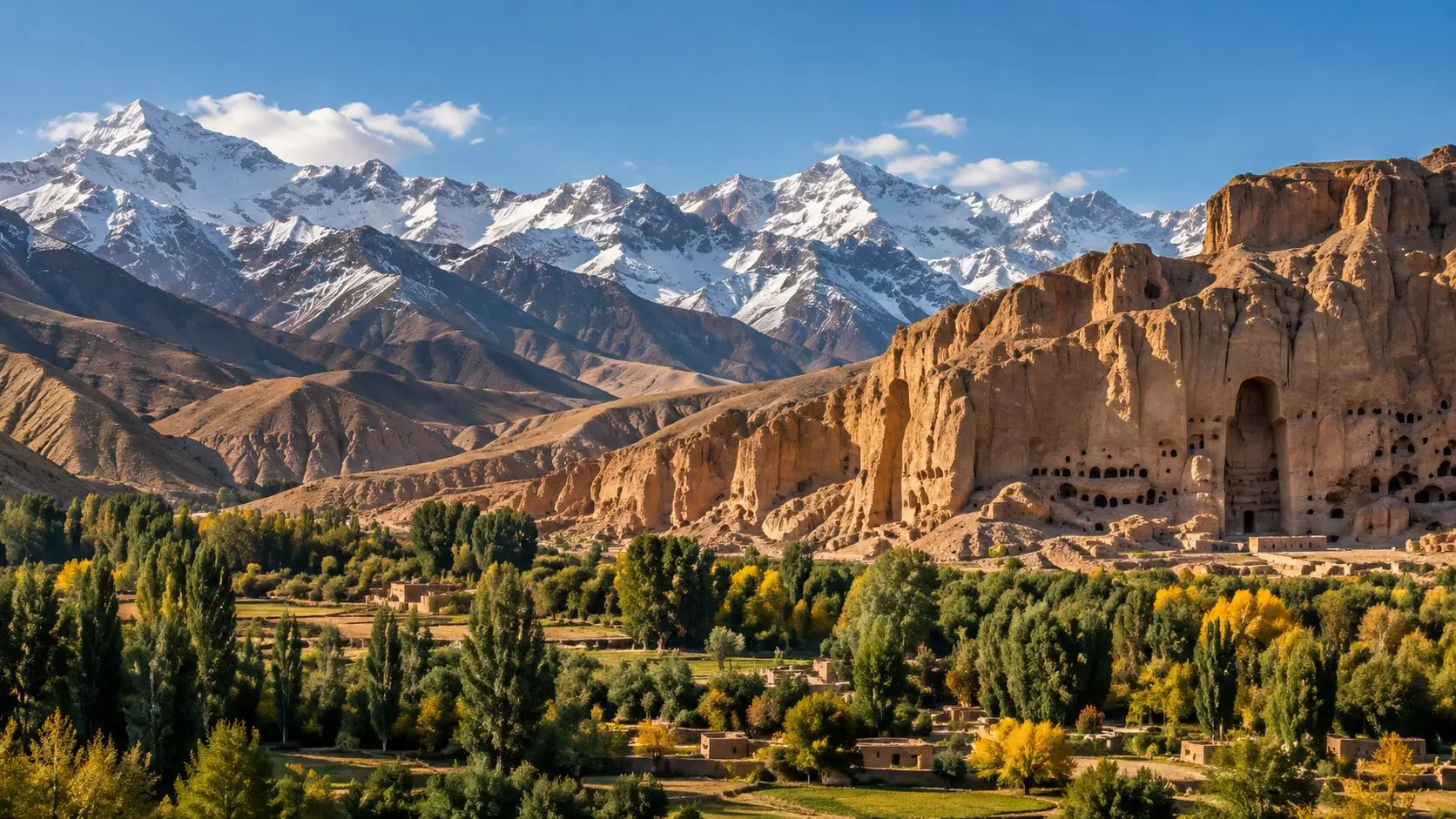
Dramatic mountains, ancient cliff sanctuaries and a rich cultural heritage in the heart of the Hindu Kush.
The capital, set in a high valley ringed by mountains, with gardens, bazaars and layers of history.